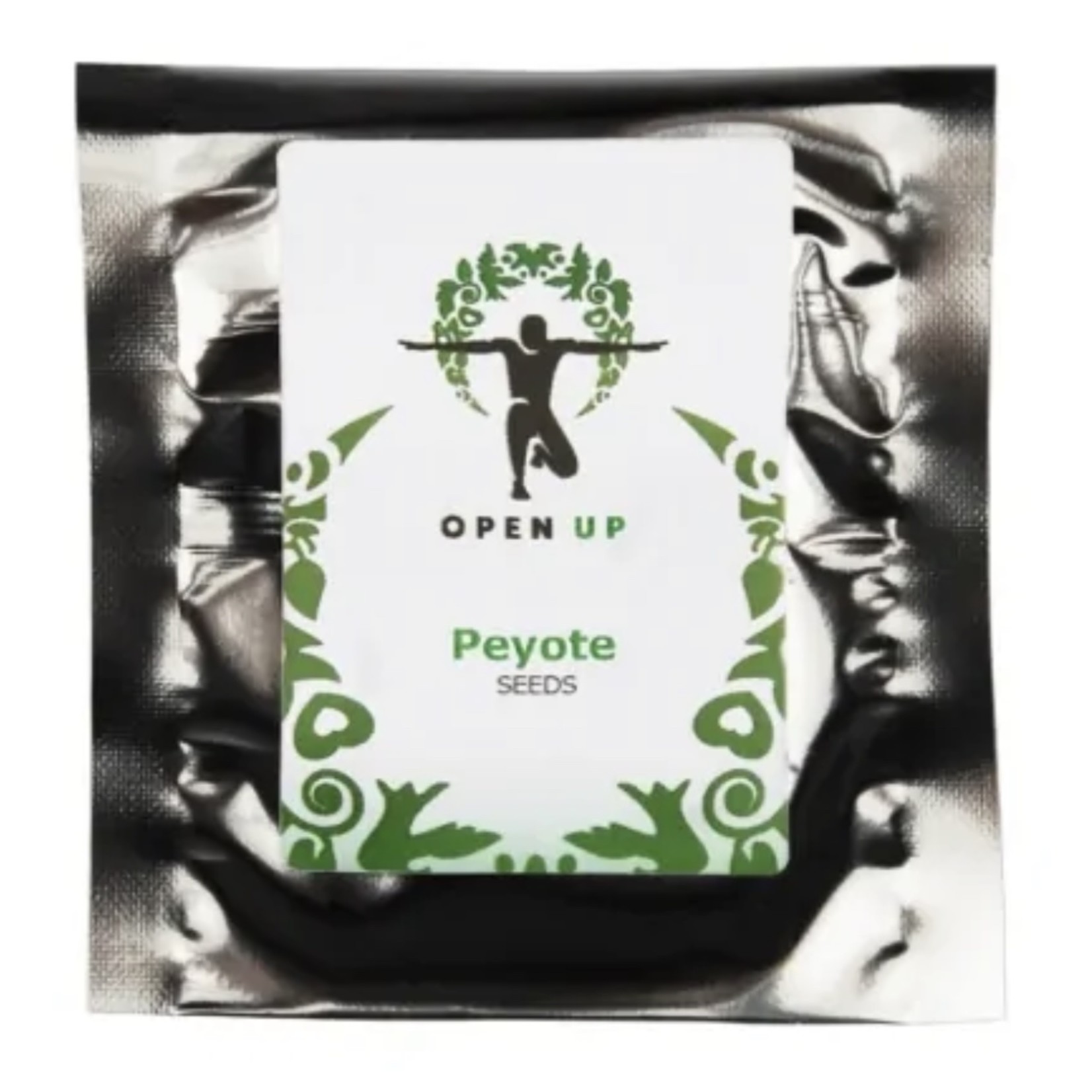
Peyote
Lophophora Williamsii
Preparation and Dosage (fully grown cactus)
- Peyote buttons are the heads of the cactus cut off above the root. The buttons can be either eaten fresh or dried and then chopped or powdered for later use. The fresh or dried buttons can be boiled or decocted in water. Both the buttons and the tea produced from them have an extremely bitter taste.
- Dosage vary considerably, both between individuals and in rituals. Dosage ranging from four to thirty buttons may be ingested, Strong psychedelic effects and visions appear only when amount corresponding to 200 to 500mg of mescaline is ingested. Approximately 27g dry weight corresponds to some 30Omg mescaline.
Effects
- The Peyote cactus is a classic hallucinogen in the same class as LSD. Mescaline, which is the psychoactive component in peyote, is responsible for the effect. These psychedelic hallucinations may affect multiple senses. For example, people may claim to be able to see sounds or feel colors.
- The psychedelic effects of mescaline also appear to enhance the senses. Colors, sounds, and even experiences may feel richer or bolder. Time may become distorted to some people. For others, the field of vision and objects within may shift or change.
- Visions are common with mescaline, especially in higher doses. These visions are experiences that are not happening in the “real” world, but they will feel very real to the person experiencing them.
Ritual Use
The Aztecs generally reffered to the nomadic tribes of the north as the Chichimec. Among these people were most likely the ancestors of the Huichol, who now live in Sierra Madre and Tarahumara, from the high north. Both tribes have preserved the peyote cult, which can be traced back to prehistoric times. As a result of contact with the Spanish conquerors, however, some Catolic elements have made their way into the Huichol ceremonies. The desert region the Aztecs called mictlan, "realm of the dead" is the Huichol paradise that they know as wirikuta. In the Third Song of the Peyote, it is said "In Wirikuta grows a flower that speaks and you understand it". Once a year, the mara'akame, the Huichol shamans, make a pilgrimage to wirikuta, traveling to their mythic origin and to the venerated peyote grounds. They undertake this journey "to find their lives" and to hunt the peyote they require for this purpose. For them, the peyote is fundamentally feminine. The peyote cactus is both the origin and the center of the universe. In the cosmology of the Huichol, it is symbolized as Grandfather Fire (= the sun), as a deer and as a maize plant. This trinity reflects the foundation (diversity and integrity) of the Huicholculture: Gathering (peyote), hunting (deer) and agriculture (maize) form an inseparable mythical and practical unity. The journey to wirikuta is a joumey to the origins of the world and of culture. Here in wirikuta, the gods created the world in all its manifestations; here is where time began, with all its consequences; here is where the peyote grows, which keeps alive the memory of creation by leading humans back to the source of all being, thereby enabling them to take part in the divine.
History
Mexico, Peyote was already being used as a ritual entheogen during the prehistoric period. In colonial times, Indians were forbidden to use Peyote, and the Inquisition punished its use severely. The Huichol peyote cult, which has largely survived since the pre-Hispanic period has been preserved in a relatively pure form. The ritual use of the peyote cactus presumably was spread into North America by the Mescalero Apache and apparently also by the Lipan of Mexico. The first description of the use of peyote in the area that now is part of the United States dates to around 1760. The peyote cult is quite widespread in North America, its members can be found in almost every North American tribe. Most, however, are members of the tribes of the Southwest. Peyote is one of the best studied of all psychoactive plants. The mescaline that was isolated from it at the end of the 19th century revolutionized Europian psychiatry. At the beginning of the 20th century, peyote became a drug of fashion in artistic and occult circles.
Cultivation
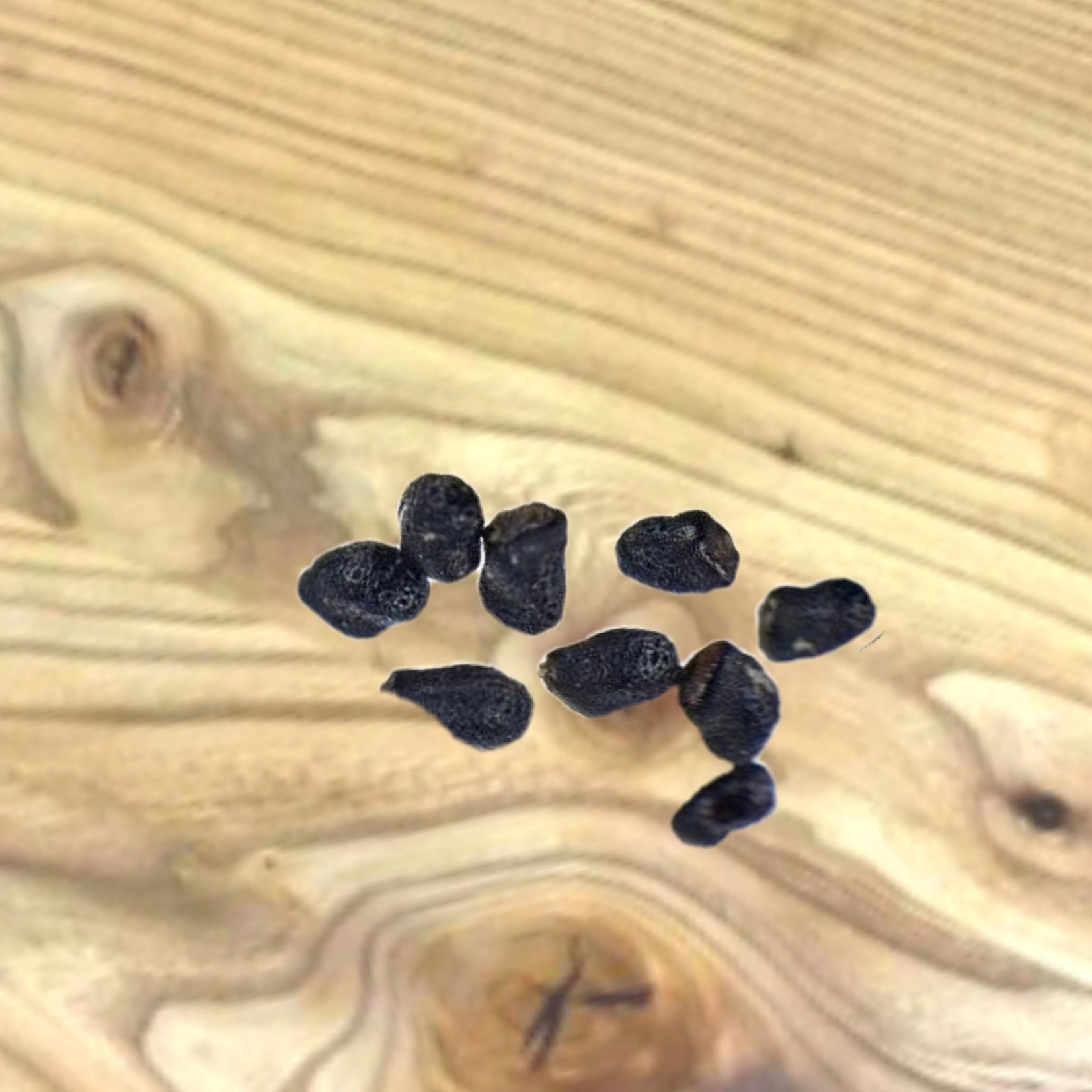
Propagation occures chiefly through the seeds. The seeds need only be pressed lightly into sandy or clayey cactus soil and moistened a little each day. Germination may take several weeks. Because the seedlings are very small, they are easily overlooked. Overly heavy watering may wash them away and consequently hamper their growth. The seeds can be planted throughout the year. The cactus does not tolerate any frost, Peyote requires a porous, clayey soil rich in minerals and nutrients. Apart from this, it is not demanding and will survive even some withering. In the summer, it should be exposed to the sun and watered in moderation, but never kept moist. It requires almost no water in the winter. After a five-year growing period, a peyote cactus is large enough to be harvested for use. In time, the stump will grow new heads. Peyote is one of the slowest growing of all cacti. There are, however, gardening techniques for accelerating its growth.
Warning
- Can cause hallucinations. Be prepared and do not exceed the recommended dose. Only use recreationally and in a safe environment.
- Do not use in combination with other stimulants, psychedelics or sedatives.
- Do not use during pregnancy/lactation.
- Do not use during work or while driving, operating or handling vehicles, machines or computers.