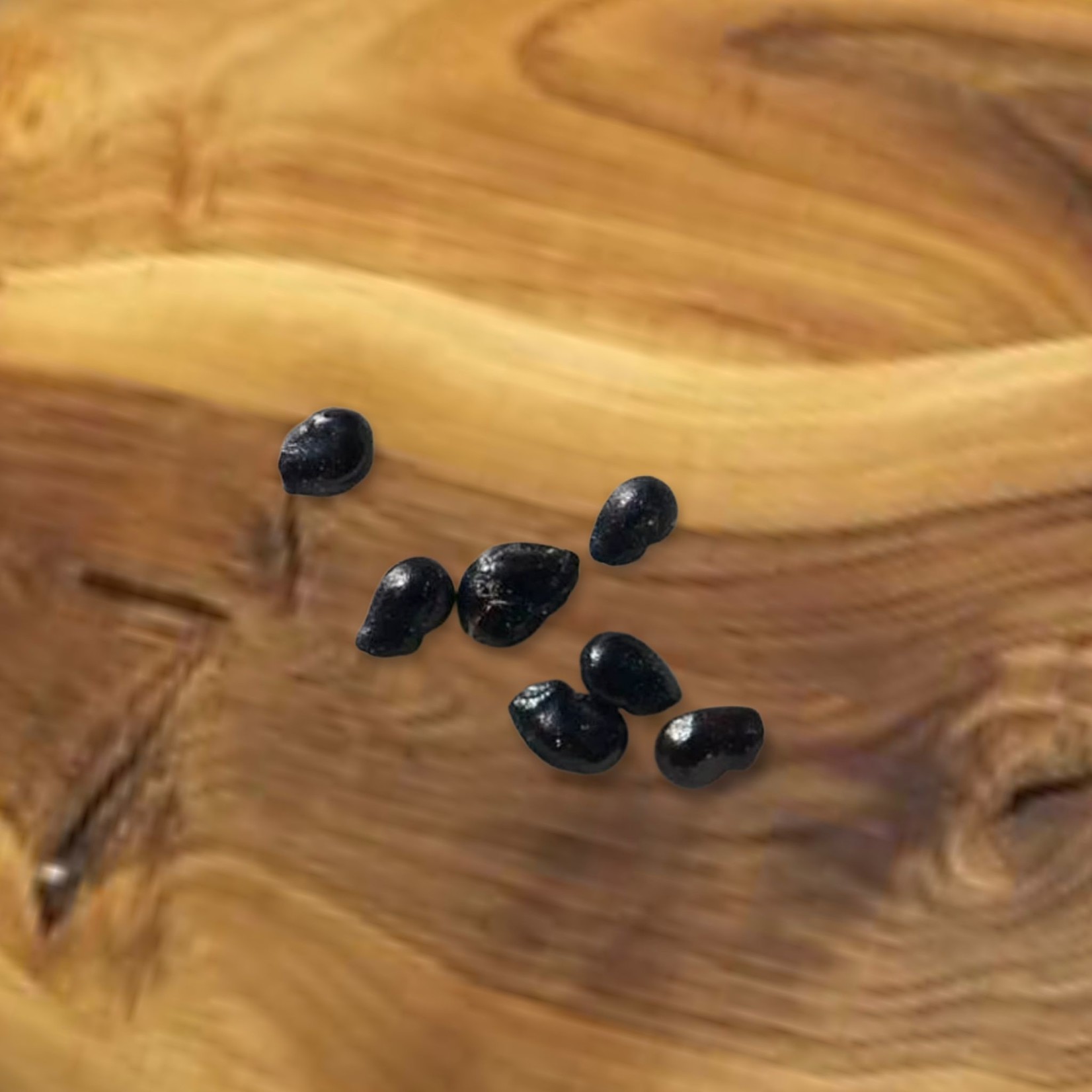
San Pedro seeds
Trichocereus Pachanoi
Preparation and Dosage (fully grown cactus)
General preparation
- The San Pedro drink is prepared from fresh cactus stalks or pieces, The chopped stalks boiled for a few hours in ample water (often with other plants added). The decoction is then poured off and boiled again for several hours until only about half of the original volume remains. Boil four thin stalks in 20 liters of water for seven hours. Usually, a piece of cactus approximately 25 cm long and 5 to 8 cm thick is sliced and boiled per person. Some lemon or lime juice may be added to improve the dissolution of the mescaline. A technique using a pressure cooker has also been developed.
- To harvest, the stalks are cut off some 5 to 10cm above the ground. The remaining stumps will develop shoots again in just a short time. The stalks are cut into manageable pieces some 30 to 40 cm long. The ribs are then cut apart. The skin or rind is cut away at the place where the green coloration of the flesh disappears.
- The fresh skin is placed in the sun to dry. After a few hours the pieces of skin will begin to roll up, and they should then be placed so that the inside faces the sun. The drying process can last from two to six days, depending on the amount of solar radiation.
- After the cactus skins have dried thoroughly, they are ground. This can be done wih a mortat and pestle (very arduous), a Mexican metate (grinding stone), a coffee mill, or a professional device from a drug store for pulverizing raw drugs (raw plant material). The more finely the cactus material is ground, the more effective is the absorption of the mescaline. Because the cactus tastes extremely or even disgunstingly bitter, many people pour the powder into gelatin capsules that hold 1g each. This practice makes it easier to ingest the powder and also makes it easy to determine the dosage. The powder should be stored in a dry, dark location. Because mescaline is a relatively stable compound, the powder will remain active for a long time if stored properly. If the powder is disolved in milk, water, apple juice, tea or some other liquid, it should be consumed as quickly as possible, as otherwise it will congeal into a disgusting mass.
Preparation
- Remove the spines from the cactus with care.
- Use a serrated knife to cut away the dark green outer skin, leaving only the white flesh.
- Mash the flesh with a potato masher or blend it with water in a blender.
- Boil the resulting mixture for several hours.
- Filter out the pulp using a clean t-shirt or cloth as a sieve.
- Boil the remaining liquid down to create a concentrated tea or even further to create a resin-like substance.
- The resin-like substance can be scraped into capsules or rolled into candy-like balls..
- Be cautious with dosing, as the potency of San Pedro can vary depending on growing conditions and preparation method.
Tea
- Pour the juice into a pot and boil down very slowly at low heat. At this point it might help to use a fan to make it evaporate more quickly. After about 2 hours until it's approximately 2 ounces of liquid or one double shot.
Resin
- Evaporate it down to about 1oz of iquid in a pot using heat and a fan and then pour into a glass pie pan and heat it with a fan for about 24 hours. You will end up with some resin like substance hat can be scraped up into a capsule and taken or rolled into balls and coated with sugar and lemon juice to make a little candy.
History
The San Pedro cactus was in use at the very beginning of Andean civilization. It was the materia prima of the shamans of that time. In Peru, the central Andes region and neighboring desert areas, the cactus has been used ritually for at least 2000 years. The oldest archeological evidence of its ritual use was found in the early layers of the formative period of Chavin. San Pedro was used both as a sacral drug and as a shamanic medicine. The cactus has been cultivated on the Peruvian coast since 200 B.C.E. To 600 C.E.. Amazingly, there are very few reports about the Indian use that date to the colonial period. Moreover, the Inquisition (which apparently did know about it) didn't persecute the use of the cactus. No one knows precisely how an Indian sacred plant received the name of a Catholic saint (Saint Peter), The cactus was associated with rain cults and pagan rain gods. Since San Pedro is the patron saint of rain ,it seems likely that the cactus obtained its name as a result. In addition, Saint Peter is the keeper of the keys to heaven.
Cultivation
The cactus can be grown from tiny seeds or propagated from cuttings. The latter approach requires simply placing a piece of the cactus in the ground. One or two new stalks will grow from the place where the cactus was cut. The cactus thrives in the Califomian climate and grows quickly when watered daily. Because it is not a desert inhabitant but comes from the moist-warm, rain-rich areas of the Andes, the cactus is accustomed to receiving large amounts of water. At the same time, it is modest in its needs and can survive for months without water. Pieces cut from cacti can survive for months or even years and can develop lateral shoots even without food and water. Anyone who plants this cactus at home will be impressed with it unbelievable vitality. The tip of the San Pedro cactus should be cut flat and the head of the other cactus placed on the cut surface and tied to it for a few days. However. the cactus that has been grafted onto San Pedro will not contain any mescaline unless it is a species that itself produces mescaline.
Warning
- Can cause hallucinations. Be prepared and do not exceed the recommended dose. Only use recreationally and in a safe environment.
- Do not use in combination with other stimulants, psychedelics or sedatives.
- Do not use during pregnancy/lactation.
- Do not use during work or while driving, operating or handling vehicles, machines or computers.