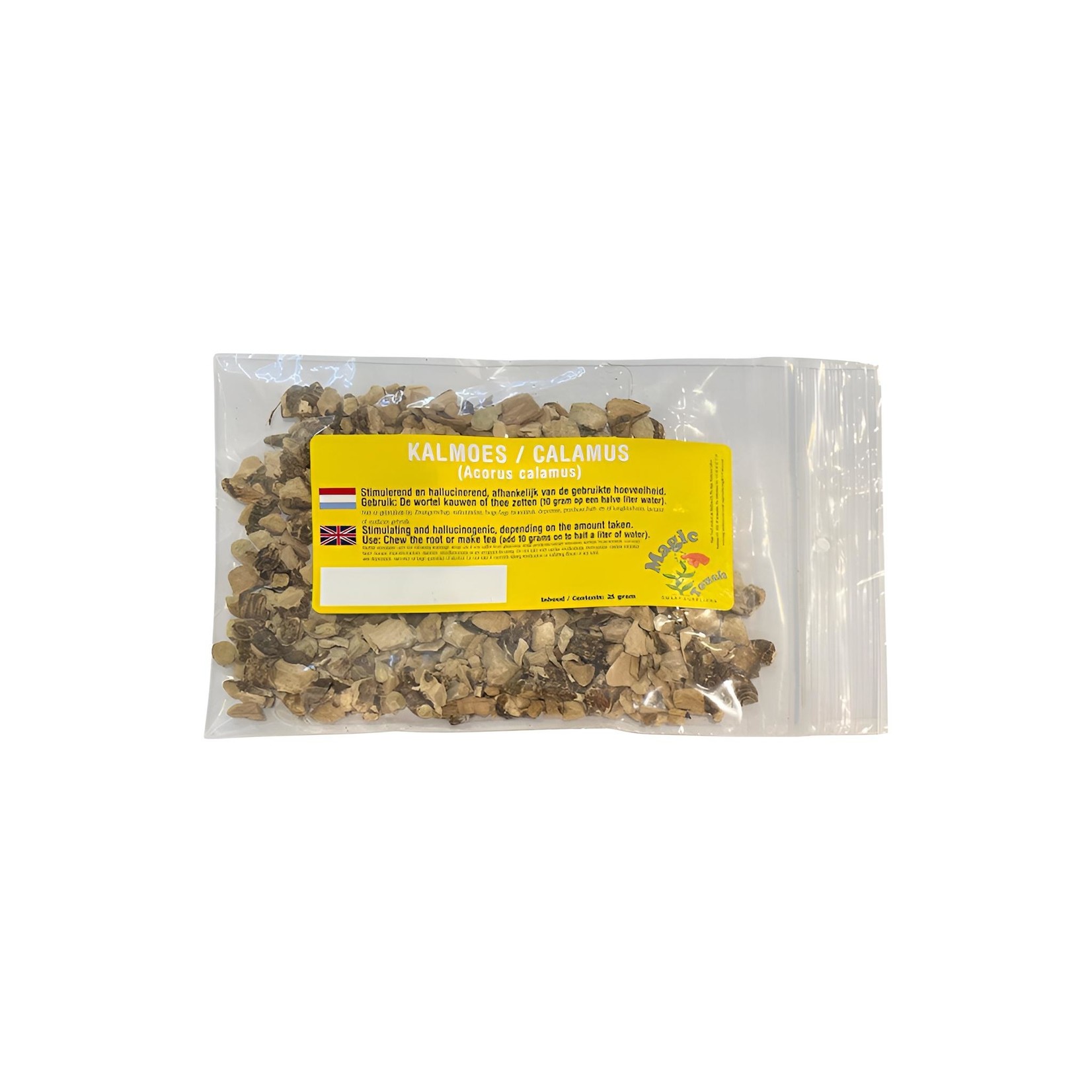
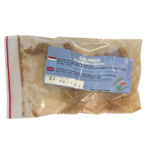
Calamus Root
Acorus Calamus
Usage:
- For a clear, uplifting effect: mix 1 tablespoon in a cup of hot water and drink on an empty stomach. For a stimulating effect: soak 20 grams of root for a while and then boil it for a few minutes in half a liter of water. Strain and drink a few cups. For an altered state of consciousness effect: increase the dosage as required.
How does it work?
- Compounds in calamus are believed to provide muscle relaxation and sedation.
Calamus is a plant. The root (rhizome) is used to make medicine.
The roots of Sweet Flag or Calamus have stimulating, euphoric, aphrodisiac and mildly hallucinogenic effects.
The major component of Calamus is asarone, which can be purified into the amphetamine TMA-2. In his book 'Pihkal' Dr. Shulgin describes TMA-2 as comparable to mescaline, though without the colour-intensification.
Despite safety concerns, calamus is used for gastrointestinal (GI) problems including ulcers, inflammation of the stomach lining (gastritis), intestinal gas (flatulence), upset stomach and loss of appetite (anorexia). Calamus is also used as a calming medicine (sedative), to induce sweating, and to treat rheumatoid arthritis and stroke.
Some people chew calamus to remove the smell of tobacco, as a stimulant, to increase their sense of well-being, and as a hallucinogen.
Some people apply calamus directly to the skin to treat certain skin diseases.
In foods, calamus is used as a spice.
Warning:
- Do not use Sweet Flag if you are pregnant, as some sources say it can cause premature delivery.
Side Effects:
- Calamus is LIKELY UNSAFE when taken by mouth in a higher dose. It can cause kidney damage, tremors, and epileptic seizures.
- The FDA prohibits the use of calamus in food products because three out of the four types of calamus found in the world contain a carcinogenic chemical called beta-isoasarone. However, beta-isoasarone content can vary widely between species from 0% to 96%. Some products may be safer than others.
Special Precautions & Warnings:
- Pregnancy and breastfeeding: Calamus is LIKELY UNSAFE when taken by mouth during pregnancy or breastfeeding. Avoid use.
- Heart disease: Calamus can lower blood pressure and heart rate. In theory, it could cause heart problems in people with existing heart disease when taken in large amounts.
- Epilepsy: Calamus can cause epileptic seizures in people with epilepsy.
- Kidney problems: Calamus can cause kidney damage in people with existing kidney problems.
- Surgery: Calamus can affect blood sugar levels, which can be dangerous during and after surgery. Stop using calamus at least 2 weeks prior to surgery
Do not use while taking:
- MAOIS, phenelzine (Nardil), tranylcypromine (Parnate), CNS depressants, clonazepam (Klonopin), lorazepam (Ativan), phenobarbital (Donnatal), zolpidem (Ambien), H2-Blockers, cimetidine (Tagamet), ranitidine (Zantac), nizatidine (Axid), famotidine (Pepcid), Calcium carbonate (Tums), dihydroxyaluminum sodium carbonate (Rolaids), magaldrate (Riopan), magnesium sulfate (Bilagog), aluminum hydroxide (Amphojel), omeprazole (Prilosec), lansoprazole (Prevacid), rabeprazole (Aciphex), pantoprazole (Protonix), esomeprazole (Nexium), or other such products.