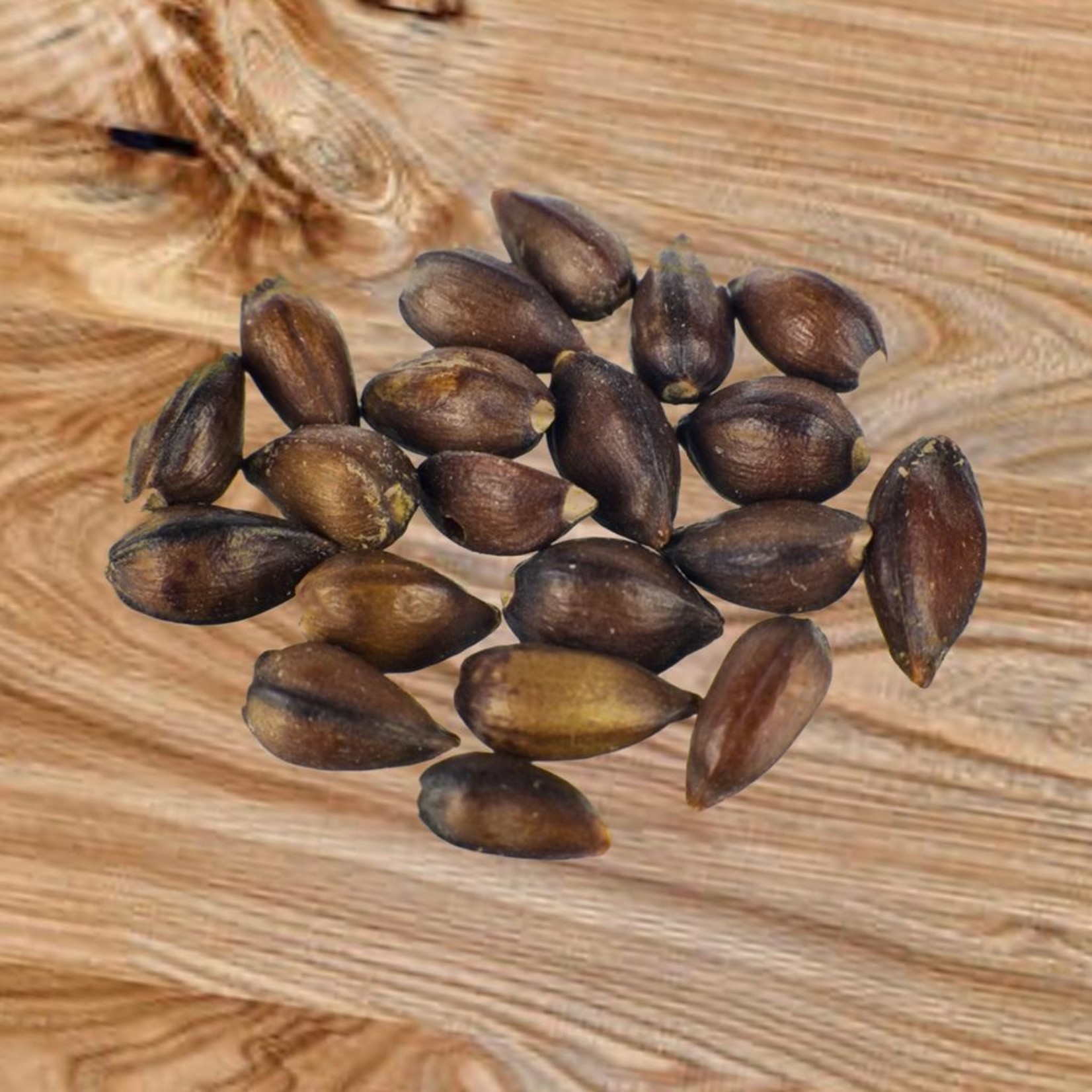
Ephedra seeds
Ephedra Sinica
Preparation and Dosage
- The dried herbage (stalks) is boiled in water for approximately ten minutes. Six grams of dried herbage is regarded as a medicinally efficacious individual dosage. Dosages as high as 20g may be used for euphoriant purposes. In the Himalayas, ashes of the plant are said to be used as snuff.
- Dosages of purified and isolated Ephedra from extracts of more than 32mg/day can result in adverse reactions. Ephedra containing supplements are banned for sale in the United States. Do not use during pregnancy or lactation.
Effects
- Ephedra herbage has an arousing effect on the central nervous system that is similar to that of ephedrine: It stimulates, awakens, accelerates the pulse, and constricts the blood vessels. Extracts of the entire plant affect vasoconstriction, stimulate circulation, elevate blood pressure, arouse the central nervous system, are strongly diuretic, suppress the appetite, alleviate bronchial spasms, and relieve the symptoms of hay fever (for at least 8 hours).
- Ephedra extracts are regarded as excellent aphrodisiacs, especially for woman. Because of the potent vasoconstrictive effects, high dosages of Ephedra can produce temporary impotence in men. People with elevated blood pressure and heart problems should avoid using Ephedra.
History
This plant is one of the oldest plants used by humans. The Neanderthals of Shanidar (modern Iraq) used the plant for ritual and apparently medicinal purposes. Plant remains (pollen) have been recovered from the caves of Shanidar, a Neanderthal burial site dating to approximately 30,000 B.P. Ephedra herbage and other bioactive flowers were placed with the deceased for their last journey. In China, Ma Huang (Ephedra Sinica) has been a common herbal medicine for thousands of years, and several species are important in Ayurvedic medicine. Ephedrine was prescribed for colds, to break a fever and induce sweating, and as a decongestant. In the United States and Mexico, the North American variety of species were used in a tealike preparation known variously as Mormon tea, Mexican tea, and desert tea.
Cultivation
The plant can be grown from seeds. It requires a humus-poor, rocky soil; it can survive with very little water and is able to grow in very dry locations. This robust plant even thrives in soils that contain salt, such as in the neighborhood of salt lakes.
Psychoactive Material
- -Dried stalks; these are collected during the monsoon season (July) when they are flowering, as the alkaloid content is greatest.