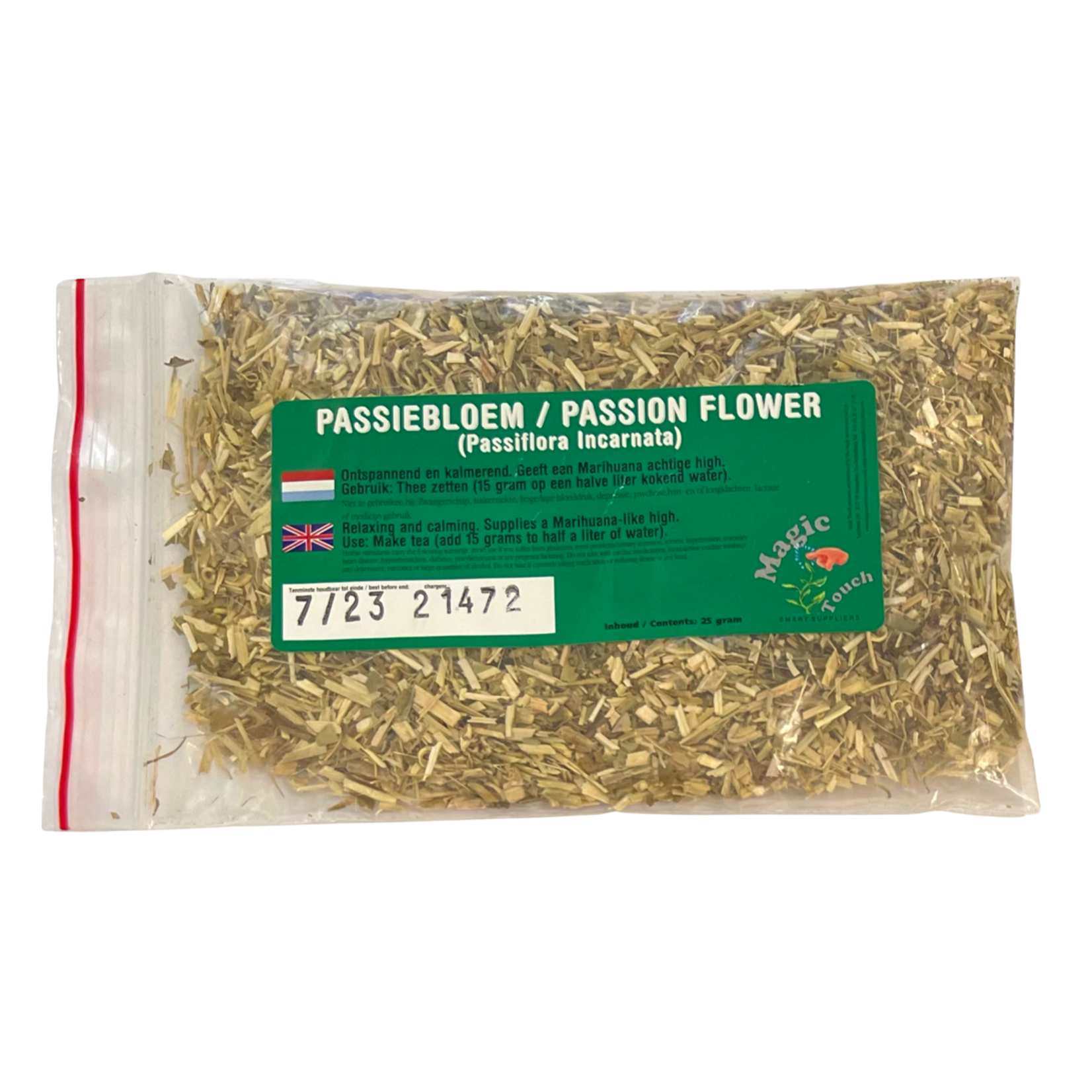
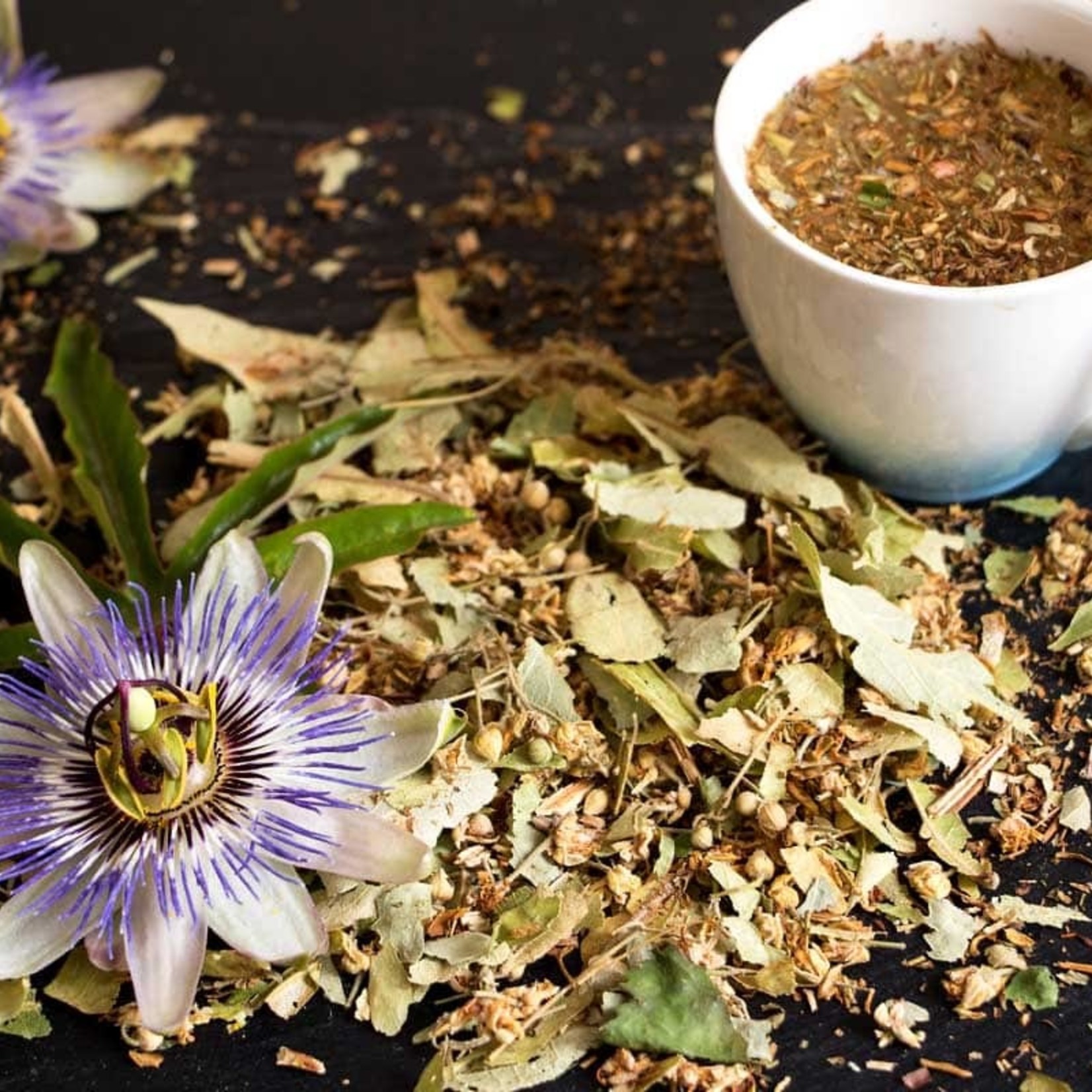
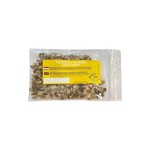
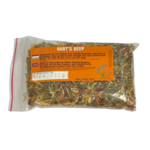
Passionflower
Passiflora Incarnata
Usage:
Tea
- Steep 2 grams of the cut herb in 150ml of hot water for half an hour. Drink this up to 3-4 times a day. To make a tea with strong sedative and mildly hallucinogenic effects, use 15 grams of the herb.
Drink
- The powder may be mixed with juice, water, yogurt or custard. Generally one teaspoon is sufficient.
- Dried passionflower can be smoked as a MAO-inhibitor, just roll it as a you would a regular joint. Smoke a joint half an hour before taking magic truffles or psychedelic mushrooms. Optionally you can smoke another, half an hour into the trip, to intensify and prolong the trip even more.
- Warning: this is not for beginners, the trip will be stronger and substantially longer.
- Since monoamine oxidase (MAO) is an enzyme your body uses for the degradation of Psilocine and Psilocybin (the active ingredients in magic truffles and mushrooms), an MAO-inhibitor (MAOIs) will reversely potentiate the effects of Psilocin. Note that to some degree, magic truffles already contain MAOIs themselves naturally.
How does it work?
- The compounds in passionflower have calming, sleep inducing, and muscle spasm relieving effects. It also works as a monoamine oxidase-inhibitor (MAOIs).
Passionflower is a flowering plant. The above ground parts are used to make medicine.
Passionflower is a beautiful plant that contains harmine and harmaline. The herb is used for relaxation and as a sleep aid. When larger quantities are ingested it has mild hallucinogenic effects.
Some people use Passionflower to enhance the effects of mushrooms or other psychedelics. It's an MAO-inhibitor, but not potent enough to act as an Ayahuasca analogue.
Passionflower is used for sleep problems (insomnia), gastrointestinal (GI) upset related to anxiety or nervousness, generalized anxiety disorder (GAD), and relieving symptoms related to narcotic drug withdrawal.
Passionflower is also used for seizures, hysteria, asthma, symptoms of menopause, attention deficit-hyperactivity disorder (ADHD), nervousness and excitability, palpitations, irregular heartbeat, high blood pressure, fibromyalgia, and pain relief.
Some people apply passionflower to the skin for hemorrhoids, burns, and pain and swelling (inflammation).
In foods and beverages, passionflower extract is used as a flavoring.
In 1569, Spanish explorers discovered passionflower in Peru. They believed the flowers symbolized Christ's passion and indicated his approval for their exploration. Passionflower is found in combination herbal products used as a sedative for promoting calmness and relaxation. Other herbs contained in these products include German chamomile, hops, kava, skullcap, and valerian.
Passionflower was formerly approved as an over-the-counter sedative and sleep aid in the U.S.A., but it was taken off the market in 1978 because safety and effectiveness had not been sufficiently proven and probably also because of its MAO-inhibitor properties. However, passionflower may still be available alone or in combination with other herbal products.
Side Effects:
- Passionflower is LIKELY SAFE for most people when taken by mouth in amounts normally found in food. It is POSSIBLY SAFE when taken short-term (less than two months) as medicine or tea. It is POSSIBLY UNSAFE When taken by mouth in large amounts.
- Passionflower can cause some side effects such as diziness, confusion, irregular muscle action and coordinatlon, altered consciousness, and inflamed blood vessels. There has also been a report of nausea, vomiting, drowsiness, a rapid heart rate, and abnormal heart rhythm in one person who took it.
- There in't enough information to rate the safety of passionflower when applied to the skin.
Special Precautions & Warnings:
- Pregnancy and breast-feeding: Don't take passionflower if you are pregnant. It is UNSAFE. There are some chemicals in passionflower that might cause the uterus to contract.
- Not enough is known about the safety of taking passionflower during breast-feeding. Stay on the safe side and don't use it.
- Surgery: Passionflower can affect the central nervous system. It might increase the effects of anesthesia and other medications on the brain during and after surgery, Stop taking assionflower at least 2 weeks before a scheduled surgery.
Do not use in combination with:
- CNS depressants, pentobarbital (Nembutal), phenobarbital (Luminal), secobarbital (Seconal), clonazepam (Klonopin), lorazepam (Ativan), zolpidem (Ambien) and other such products.